Back to Conditions Glossary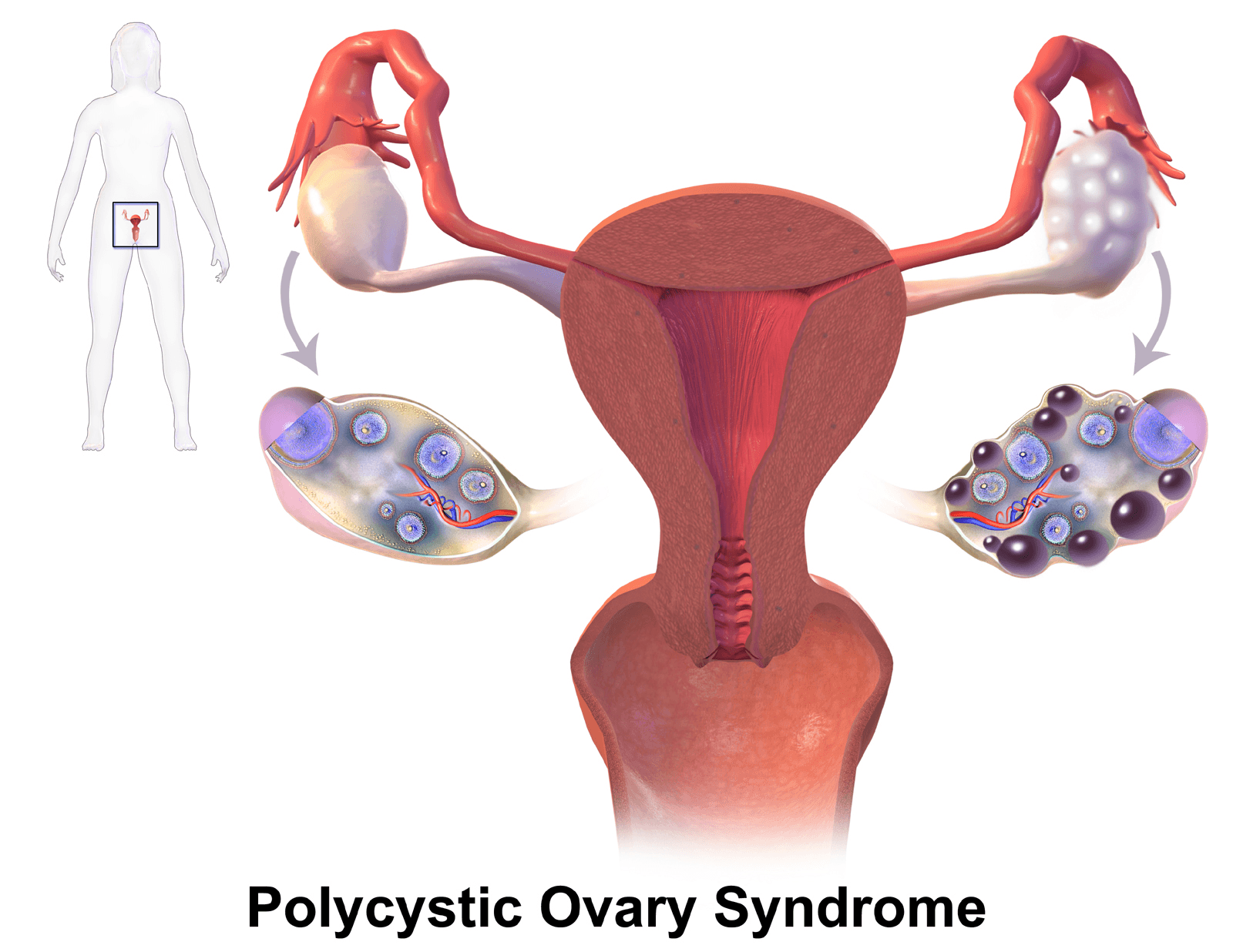
Browse Library
Medical EncyclopediaICD-10: E28.2 Medically Verified
Polycystic Ovary Syndrome (PCOS)
Medically reviewed by the SEDU Clinical Review Board. Detailed pathophysiology, symptoms, evidence-based care guidelines, and pelvic health recovery protocols.
Clinical Overview
A highly common endocrine-metabolic disorder characterized by chronic anovulation, hyperandrogenism (excess male hormones), and micro-cystic appearance of the ovaries.
Evidence-Based GuidelineConsult a specialist
Image for disease-pcos
SEDU Wellness Library
Associated Symptoms
- Irregular Menstrual Cycles
- Menorrhagia (Heavy Menstrual Bleeding)
- Severe Abdominal Bloating (Endo Belly)
Treatment Pathways
- Combined Oral Contraceptive Pill
- Lifestyle & Anti-Inflammatory Diet
Causes & Mechanisms
Complex multifactorial disorder linked to insulin resistance, excess LH secretion, and genetic predisposition resulting in ovarian follicle arrest.
Clinical Risk Factors
Insulin resistanceObesitySedentary lifestyleMaternal history of PCOS
Therapeutic Exercises

Related Conditions in Encyclopedia
Clinical References & Journal Citations
- 1Rotterdam Consensus Criteria for PCOS Diagnosis, 2003.
- 2Endocrine Society Clinical Practice Guidelines on PCOS, 2013.