Back to Conditions Glossary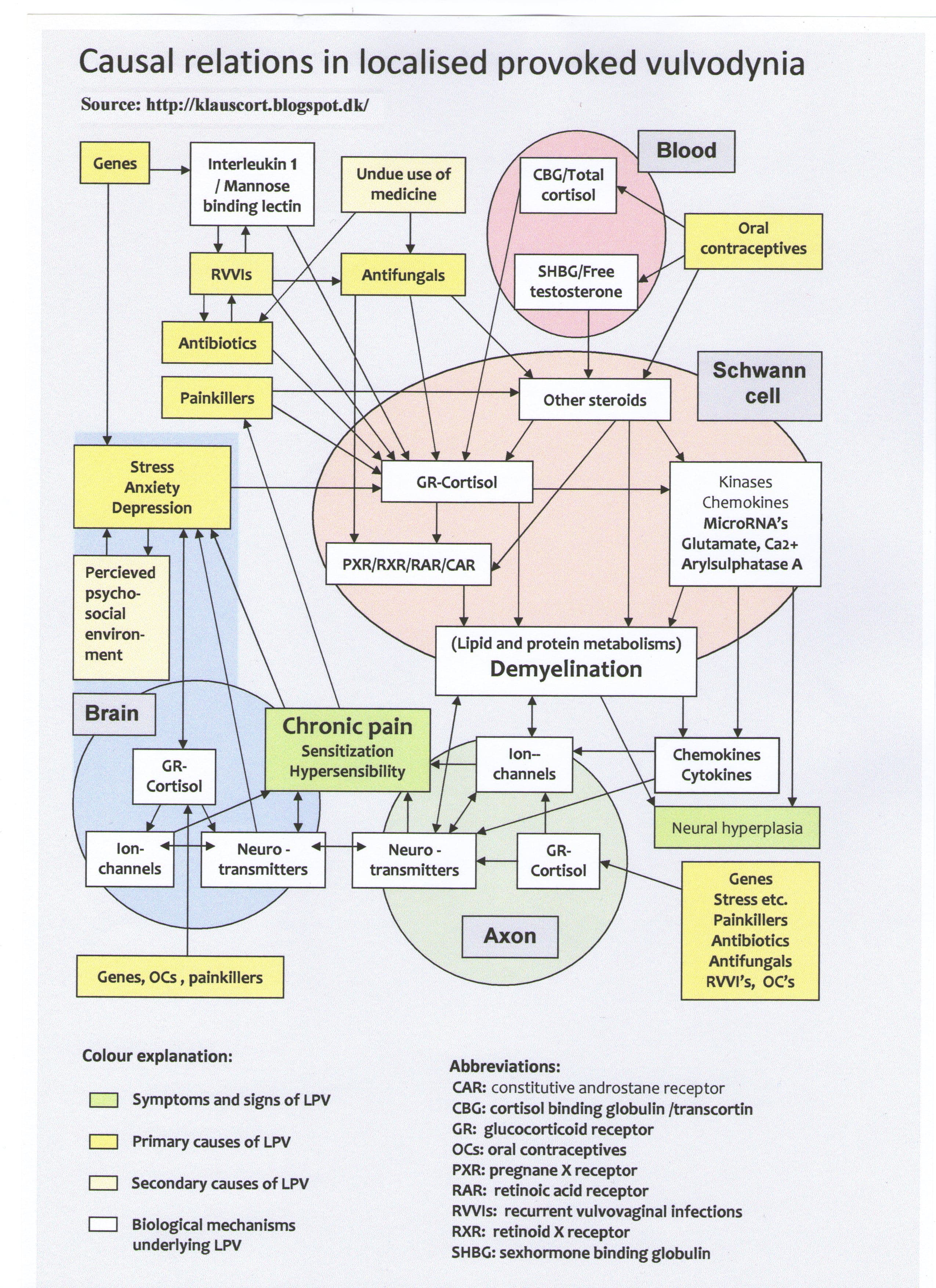
Medical EncyclopediaICD-10: N94.81 Medically Verified
Vulvodynia
Medically reviewed by the SEDU Clinical Review Board. Detailed pathophysiology, symptoms, evidence-based care guidelines, and pelvic health recovery protocols.
Clinical Overview
Chronic vulvar discomfort or pain characterized by burning, stinging, irritation, or rawness, occurring without an active clinical infection or dermatological disorder.
Evidence-Based GuidelineConsult a specialist
Image for disease-vulvodynia
SEDU Wellness Library
Associated Symptoms
- Chronic Vulvar Burning & Pain
- Dyspareunia (Painful Intercourse)
- Chronic Pelvic Pain
Treatment Pathways
- Pelvic Floor Physical Therapy (PFPT)
- Acupuncture & Neuromodulation
- Lifestyle & Anti-Inflammatory Diet
Causes & Mechanisms
Multifactorial etiology involving neuropathic hypersensitivity (increased nerve density in the vulvar vestibule), pelvic floor muscle dysfunction, and central nervous system pain sensitization.
Clinical Risk Factors
Frequent yeast infectionsPelvic floor hypertonicityChronic stressHistory of sexual trauma
Related Conditions in Encyclopedia
Clinical References & Journal Citations
- 1National Vulvodynia Association (NVA) Guidelines for Diagnosis and Treatment, 2020.
- 2British Association of Dermatologists (BAD) Vulvar Pain Guidelines.