Back to Conditions Glossary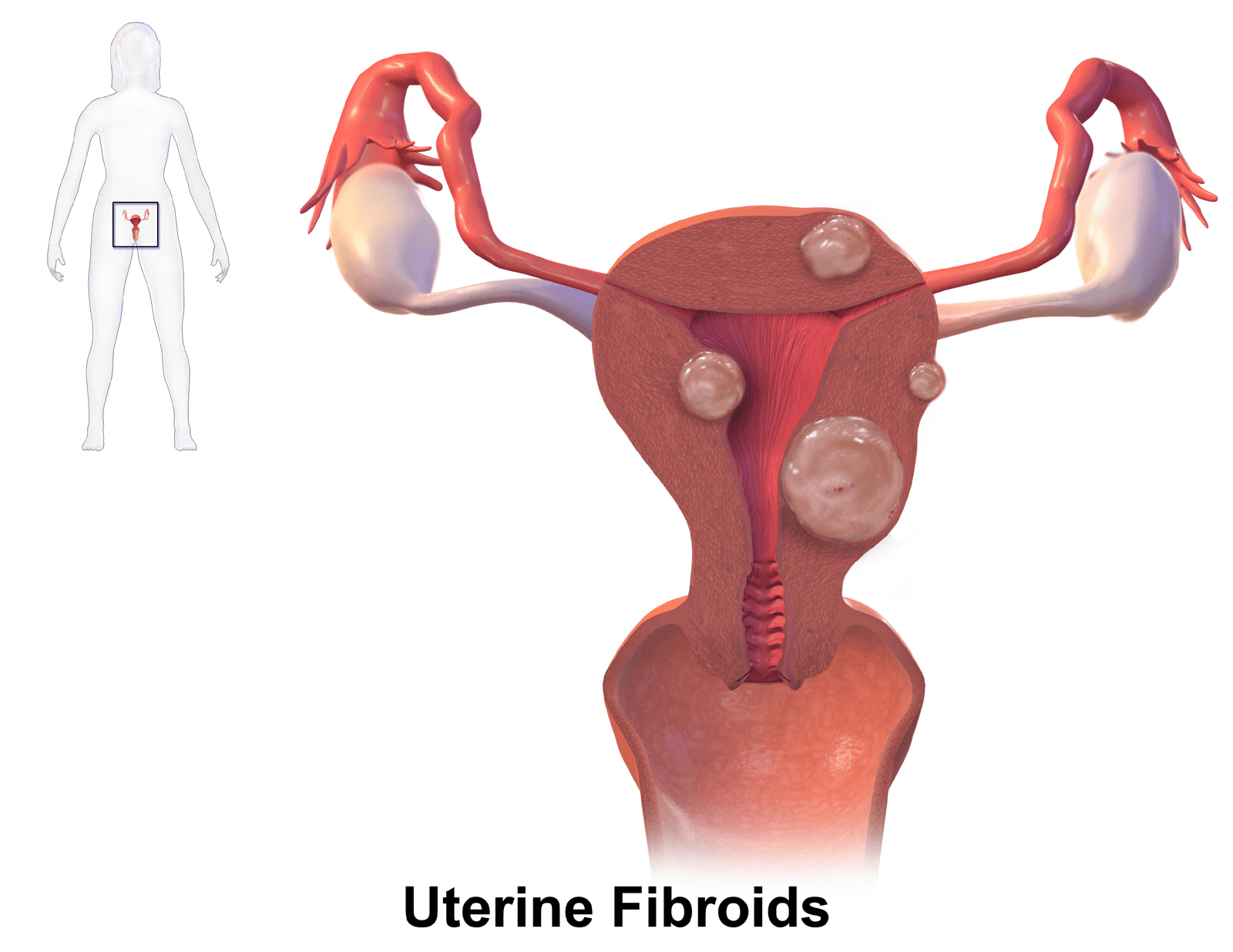
Medical EncyclopediaICD-10: D25 Medically Verified
Uterine Fibroids (Leiomyomas)
Medically reviewed by the SEDU Clinical Review Board. Detailed pathophysiology, symptoms, evidence-based care guidelines, and pelvic health recovery protocols.
Clinical Overview
Non-cancerous (benign) tumors of the uterine muscle wall that can range in size from tiny seedlings to bulky masses, causing heavy menstrual bleeding and pressure.
Evidence-Based GuidelineConsult a specialist
Image for disease-uterine-fibroids
SEDU Wellness Library
Associated Symptoms
- Menorrhagia (Heavy Menstrual Bleeding)
- Pelvic Heaviness & Fullness
- Chronic Pelvic Pain
- Urinary Urgency & Frequency
Treatment Pathways
- Myomectomy (Fibroid Removal Surgery)
- Combined Oral Contraceptive Pill
- Lifestyle & Anti-Inflammatory Diet
Causes & Mechanisms
Monoclonal proliferation of smooth muscle cells, heavily influenced by estrogen and progesterone receptor sensitivity and extracellular matrix deposition.
Clinical Risk Factors
African ancestryFamily history of fibroidsObesityEarly onset of puberty
Related Conditions in Encyclopedia
Clinical References & Journal Citations
- 1NIH Fibroids Research Bulletin, 2022.
- 2ACOG Practice Bulletin N.228 on Leiomyomas.