Back to Conditions Glossary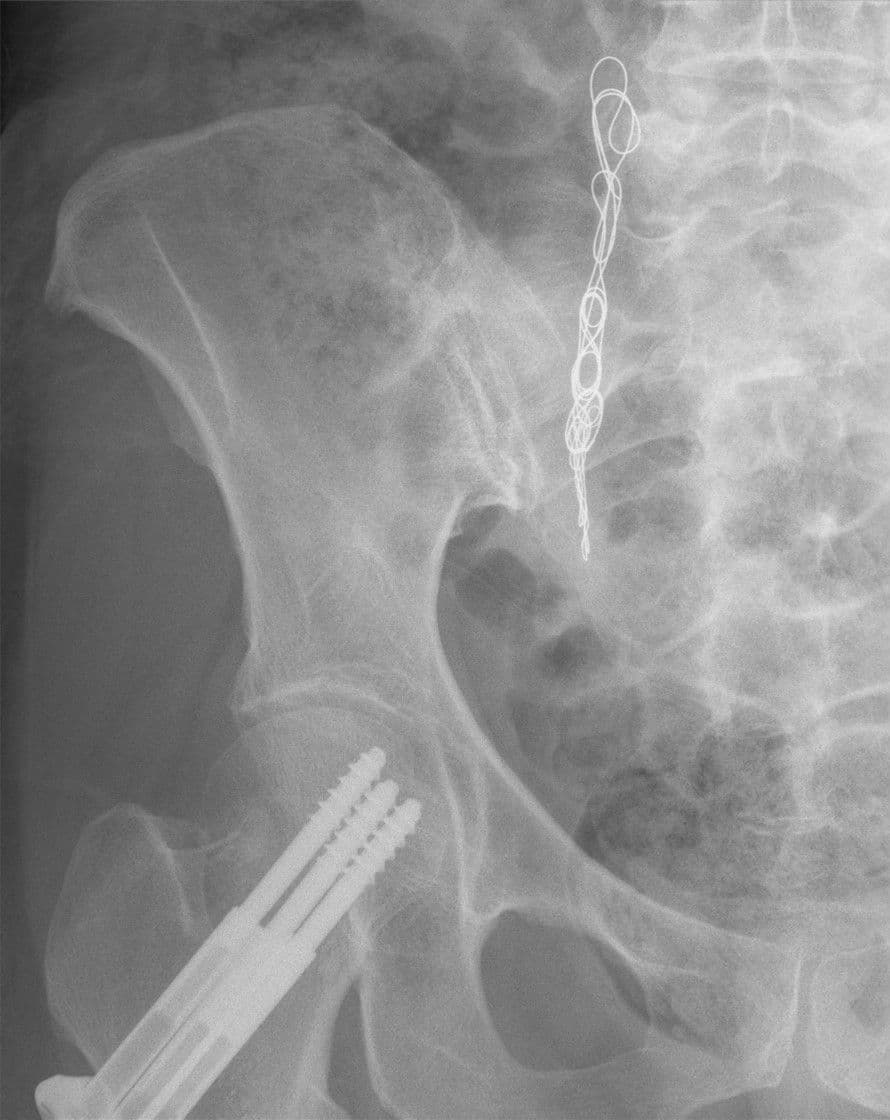
Medical EncyclopediaICD-10: I86.4 Medically Verified
Pelvic Congestion Syndrome
Medically reviewed by the SEDU Clinical Review Board. Detailed pathophysiology, symptoms, evidence-based care guidelines, and pelvic health recovery protocols.
Clinical Overview
A vascular condition causing chronic pelvic pain due to varicose veins in the lower abdomen and pelvis, resulting from pooling of blood in dilated ovarian veins.
Evidence-Based GuidelineConsult a specialist
Image for disease-pelvic-congestion-syndrome
SEDU Wellness Library
Associated Symptoms
- Chronic Pelvic Pain
- Pelvic Heaviness & Fullness
- Dyspareunia (Painful Intercourse)
- Lower Back & Leg Pain
Treatment Pathways
- Pelvic Venous Embolization
- Acupuncture & Neuromodulation
- Pelvic Floor Physical Therapy (PFPT)
Causes & Mechanisms
Venous valve incompetence leading to retrograde blood flow and venous hypertension, compounded by estrogenic dilation of pelvic vascular walls.
Clinical Risk Factors
Multiple pregnancies (multiparity)Polycystic ovariesHormonal surgesAnatomical venous anomalies
Related Conditions in Encyclopedia
Clinical References & Journal Citations
- 1Society for Vascular Surgery (SVS) Pelvic Venous Disorders Guidelines, 2021.
- 2Journal of Vascular and Interventional Radiology Clinical Review.