Back to Conditions Glossary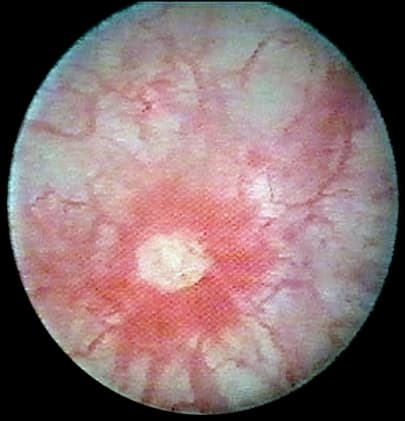
Medical EncyclopediaICD-10: N30.1 Medically Verified
Interstitial Cystitis (Painful Bladder Syndrome)
Medically reviewed by the SEDU Clinical Review Board. Detailed pathophysiology, symptoms, evidence-based care guidelines, and pelvic health recovery protocols.
Clinical Overview
A chronic bladder condition causing pelvic pain, bladder pressure, and urinary urgency/frequency, characterized by glycosaminoglycan (GAG) layer degradation.
Evidence-Based GuidelineConsult a specialist
Image for disease-interstitial-cystitis
SEDU Wellness Library
Associated Symptoms
- Urinary Urgency & Frequency
- Chronic Pelvic Pain
- Dyspareunia (Painful Intercourse)
Treatment Pathways
- Bladder Instillation (Rescue Solution)
- Pelvic Floor Physical Therapy (PFPT)
- Lifestyle & Anti-Inflammatory Diet
- Acupuncture & Neuromodulation
Causes & Mechanisms
Defects in the protective bladder lining (GAG layer) allowing toxic urine solutes to penetrate the bladder wall, triggering mast cell activation and neural inflammation.
Clinical Risk Factors
Female sexHistory of chronic urinary tract infectionsCo-existing IBS or fibromyalgia
Related Conditions in Encyclopedia
Clinical References & Journal Citations
- 1American Urological Association (AUA) Interstitial Cystitis Diagnosis Guidelines, 2022.
- 2Interstitial Cystitis Association (ICA) Patient Handbook.